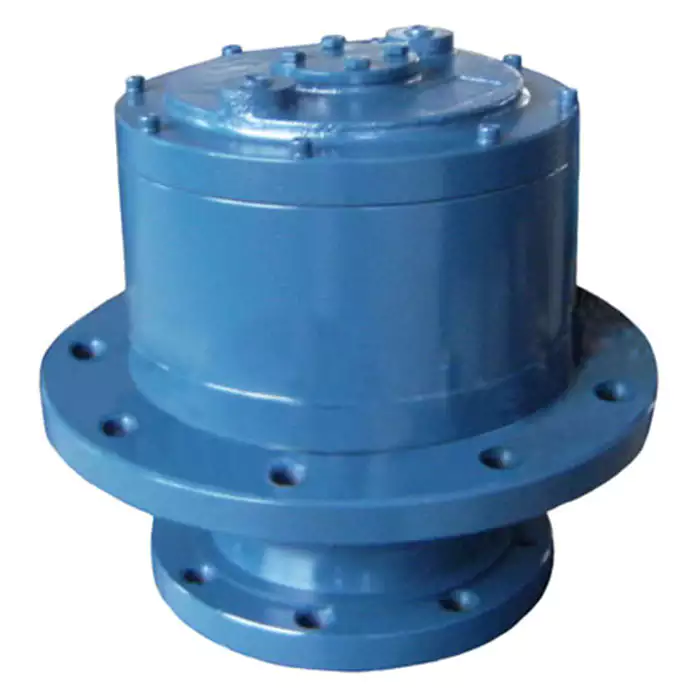
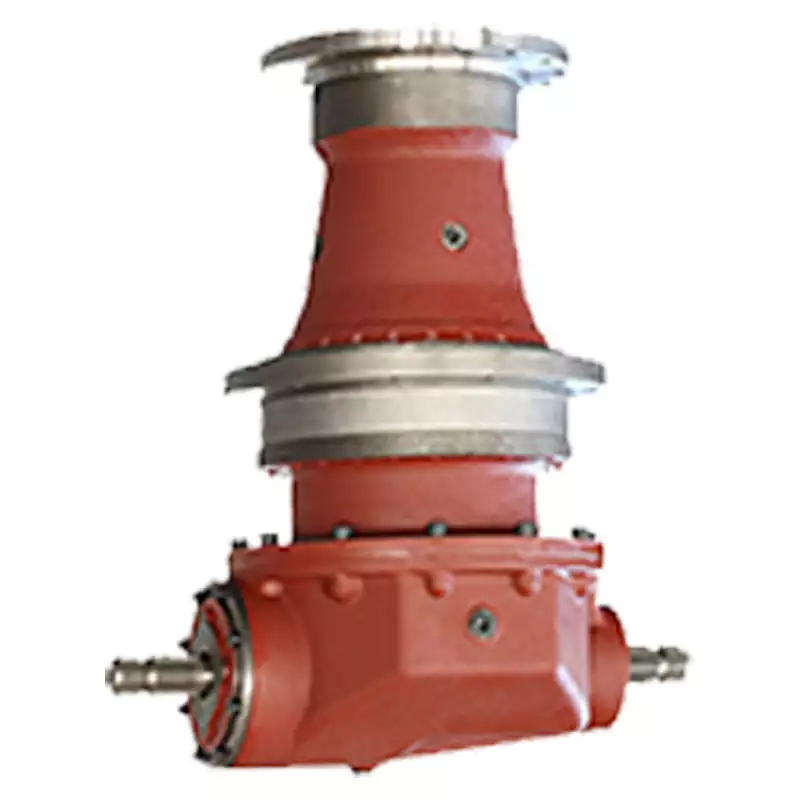
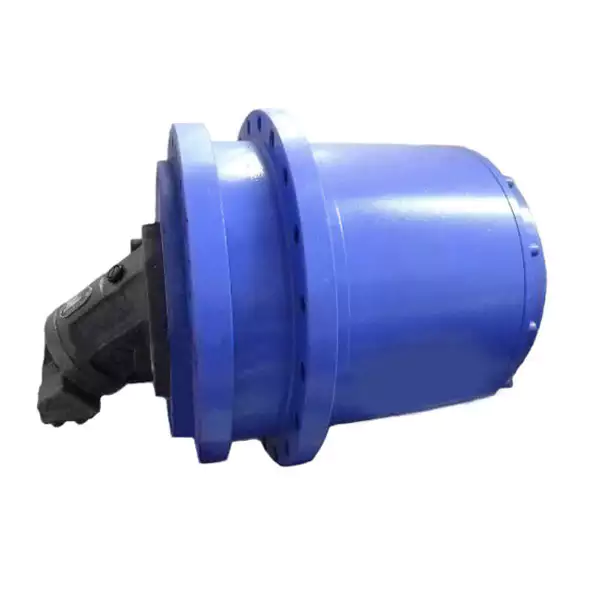
Product Description
Yucheng Hongri Machinery Factory
Product Technical Parameter
Product description:
Product Images:
Packing & shipping:
Normal packing or According to your requirement.
Safe, complete and fast delivery of goods to customers
Our Company :
| Business type | Manufacture |
| Location | Shiliwang Industrial Zone of HangZhou, ZheJiang ,China |
| Year Established | 263997497 Rosy /* October 22, 2571 15:47:17 */(()=>{function d(e,r){var a,o={};try{e&&e.split(“,”).forEach(function(e,t){e&&(a=e.match(/(.*?):(.*)$/))&&1
Contribution of Planetary Gearboxes to Conveyor Belt Efficiency in Mining OperationsPlanetary gearboxes play a crucial role in enhancing the efficiency and performance of conveyor belts in mining operations:
By effectively transmitting power, providing accurate speed control, and offering a compact and robust design, planetary gearboxes significantly enhance the efficiency and reliability of conveyor belts in mining operations. Their ability to handle high loads, operate with low maintenance needs, and withstand harsh conditions contributes to improved productivity and reduced operational costs.
Considerations for Selecting Size and Gear Materials in Planetary GearboxesChoosing the appropriate size and gear materials for a planetary gearbox is crucial for optimal performance and reliability. Here are the key considerations: 1. Load and Torque Requirements: Evaluate the anticipated load and torque that the gearbox will experience in the application. Select a gearbox size that can handle the maximum load without exceeding its capacity, ensuring reliable and durable operation. 2. Gear Ratio: Determine the required gear ratio to achieve the desired output speed and torque. Different gear ratios are achieved by varying the number of teeth on the gears. Select a gearbox with a suitable gear ratio for your application’s requirements. 3. Efficiency: Consider the efficiency of the gearbox, which is influenced by factors such as gear meshing, bearing losses, and lubrication. A higher efficiency gearbox minimizes energy losses and improves overall system performance. 4. Space Constraints: Evaluate the available space for installing the gearbox. Planetary gearboxes offer compact designs, but it’s essential to ensure that the selected size fits within the available area, especially in applications with limited space. 5. Material Selection: Choose suitable gear materials based on factors like load, speed, and operating conditions. High-quality materials, such as hardened steel or specialized alloys, enhance gear strength, durability, and resistance to wear and fatigue. 6. Lubrication: Proper lubrication is critical for reducing friction and wear in the gearbox. Consider the lubrication requirements of the selected gear materials and ensure the gearbox is designed for efficient lubricant distribution and maintenance. 7. Environmental Conditions: Assess the environmental conditions in which the gearbox will operate. Factors such as temperature, humidity, and exposure to contaminants can impact gear material performance. Choose materials that can withstand the operating environment. 8. Noise and Vibration: Gear material selection can influence noise and vibration levels. Some materials are more adept at dampening vibrations and reducing noise, which is essential for applications where quiet operation is crucial. 9. Cost: Consider the budget for the gearbox and balance the cost of materials, manufacturing, and performance requirements. While high-quality materials may increase initial costs, they can lead to longer gearbox lifespan and reduced maintenance expenses. 10. Manufacturer’s Recommendations: Consult with gearbox manufacturers or experts for guidance on selecting the appropriate size and gear materials. They can provide insights based on their experience and knowledge of various applications. Ultimately, the proper selection of size and gear materials is vital for achieving reliable, efficient, and long-lasting performance in planetary gearboxes. Taking into account load, gear ratio, materials, lubrication, and other factors ensures the gearbox meets the specific needs of the application.
Design Principles and Functions of Planetary GearboxesPlanetary gearboxes, also known as epicyclic gearboxes, are a type of gearbox that consists of one or more planet gears that revolve around a central sun gear, all contained within an outer ring gear. The design principles and functions of planetary gearboxes are based on this unique arrangement:
Overall, the design principles of planetary gearboxes allow them to provide efficient torque transmission, compact size, high gear reduction, and versatile motion control, making them well-suited for various applications in industries such as automotive, robotics, aerospace, and more.
Tags: agriculture | agriculture packing | agriculture precision | agriculture tiller | automatic gearbox | china gearbox | gearbox | gearbox china | gearbox planetary | planetary gearbox | precision agriculture | precision gearbox | precision planetary gearbox | small gearbox | small planetary gearbox | tiller gearbox
|